LIFTING
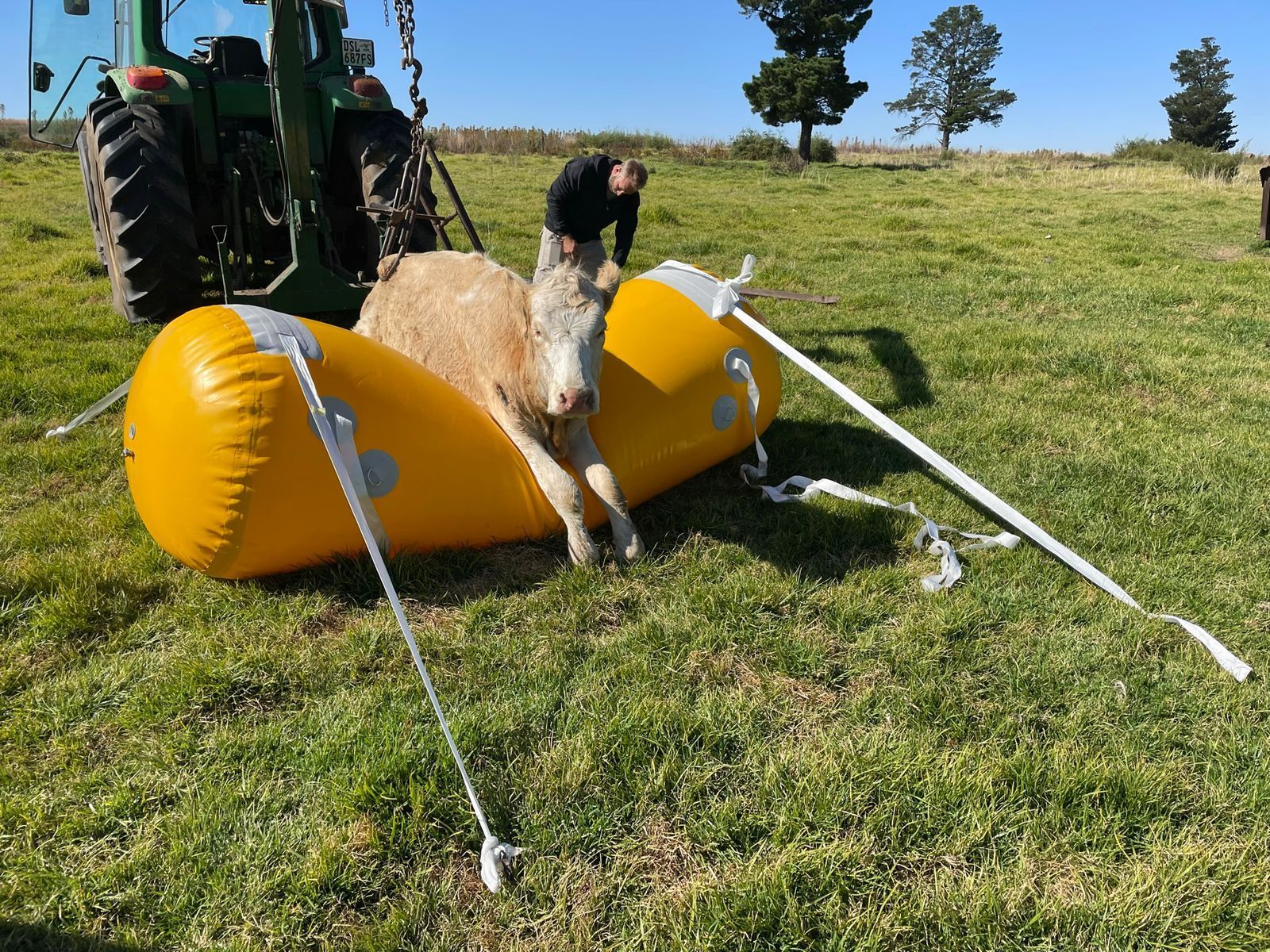
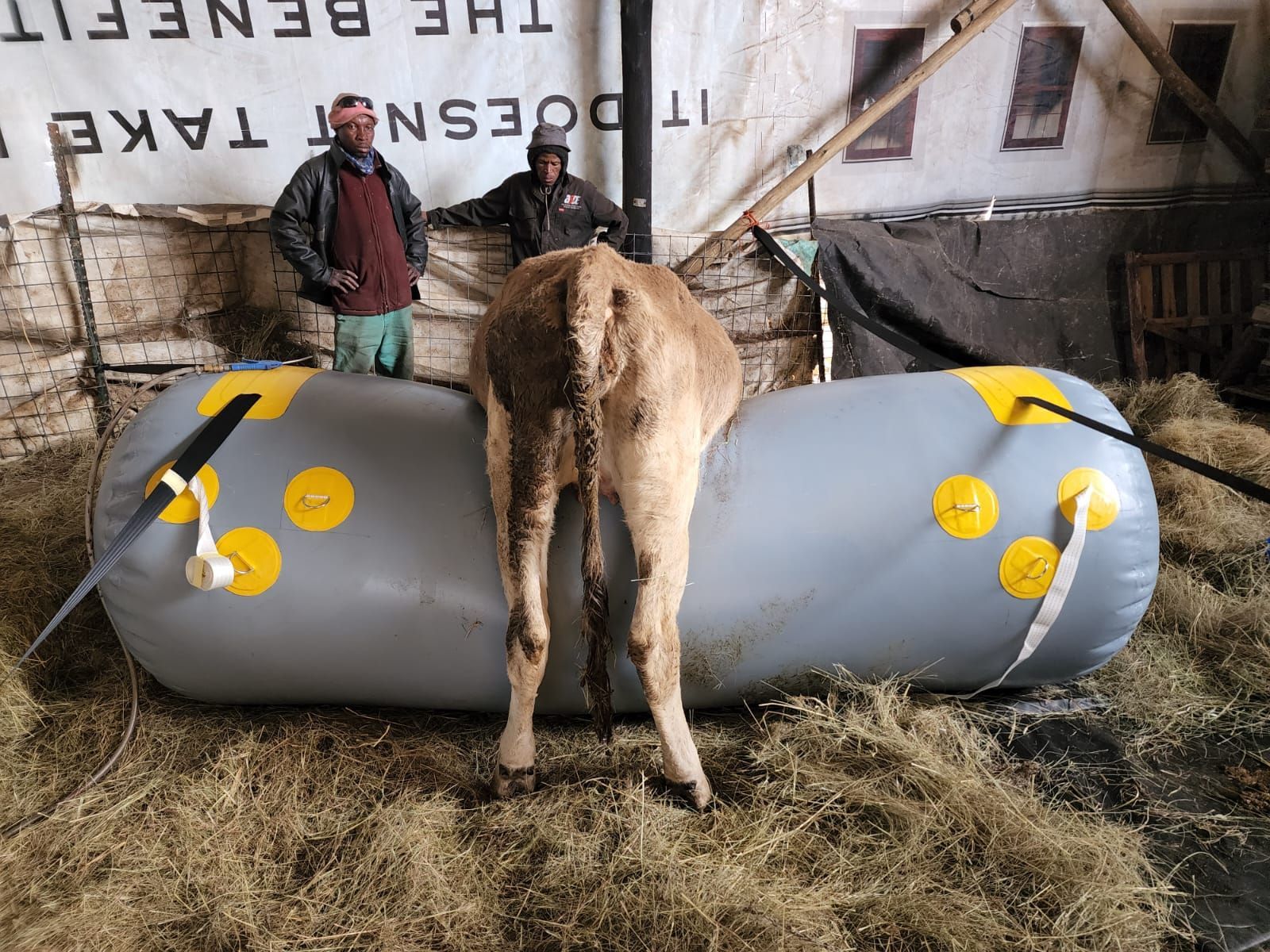
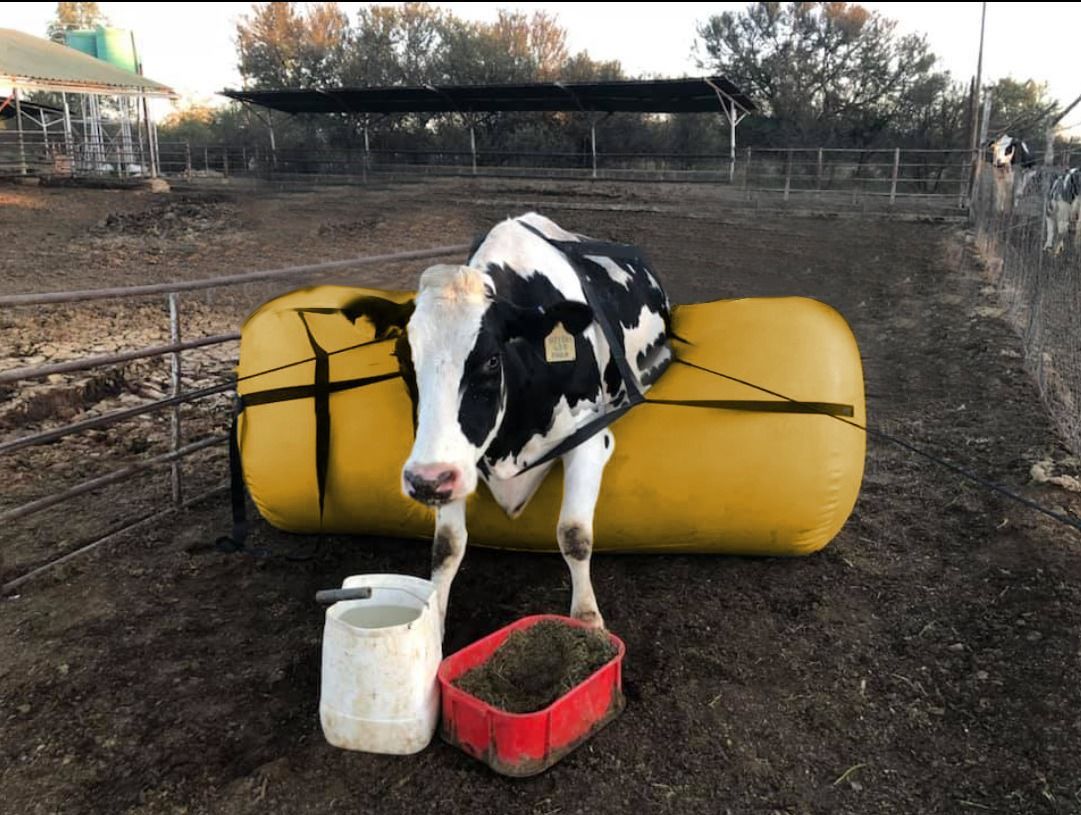
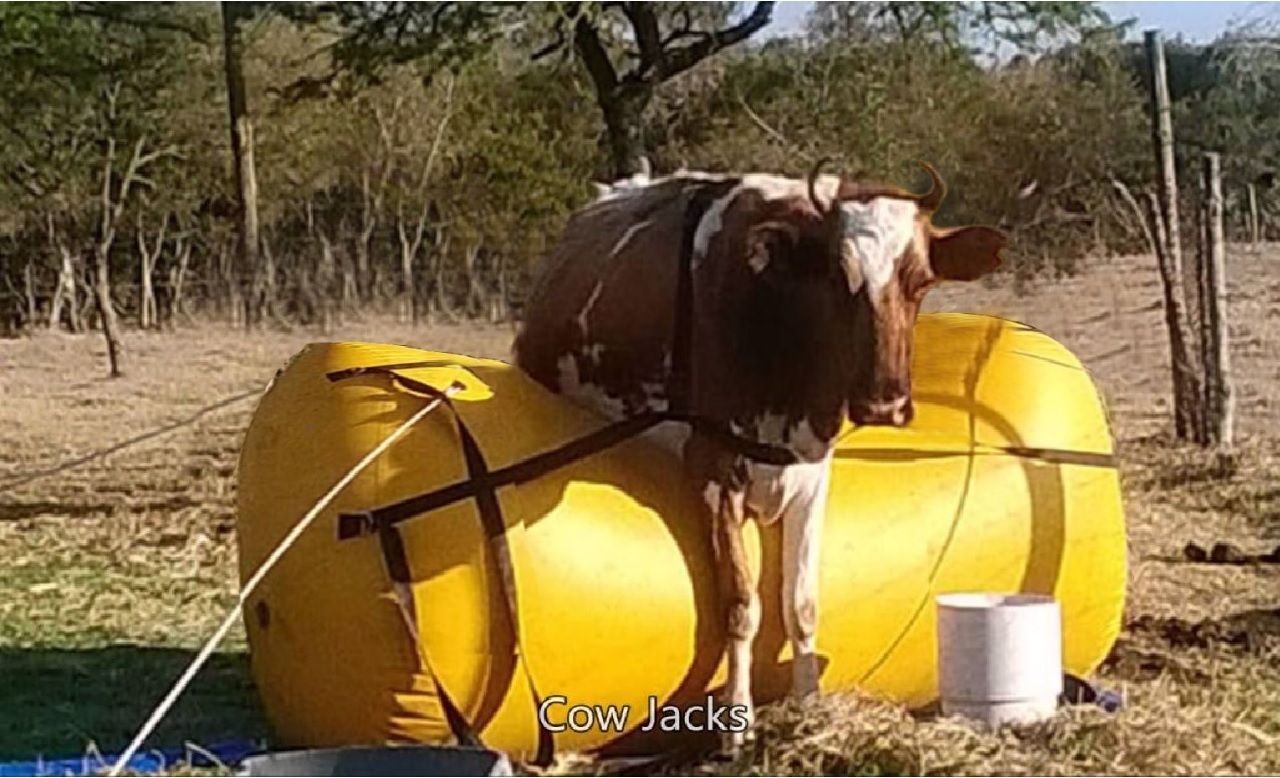
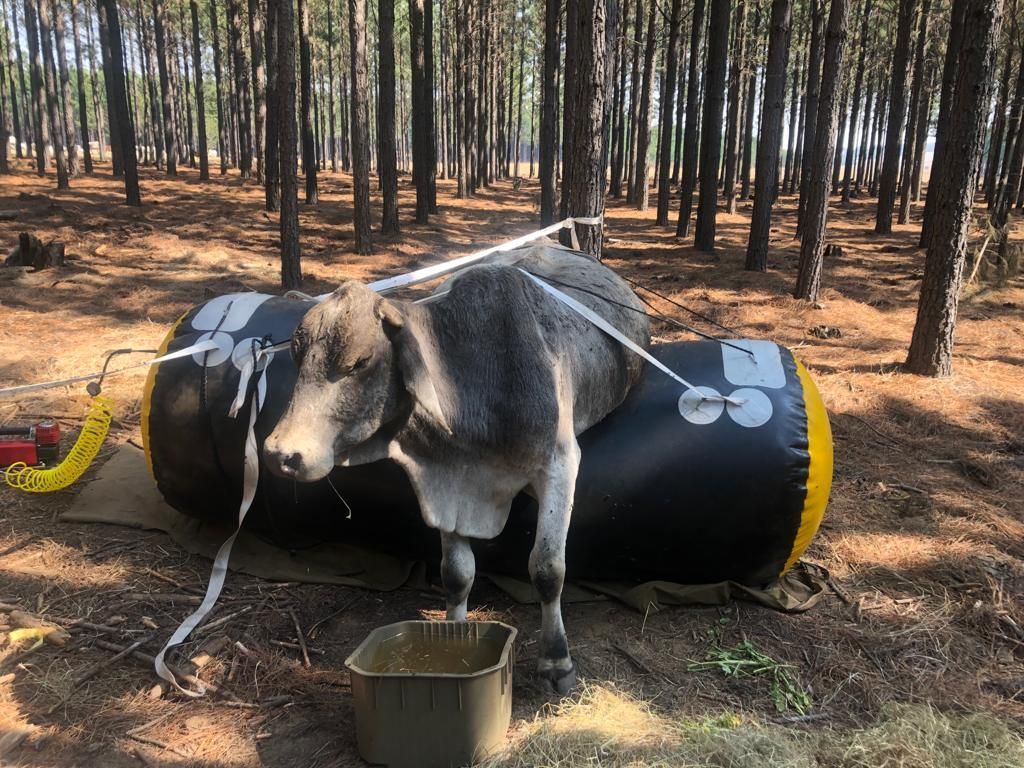
cow downer jack
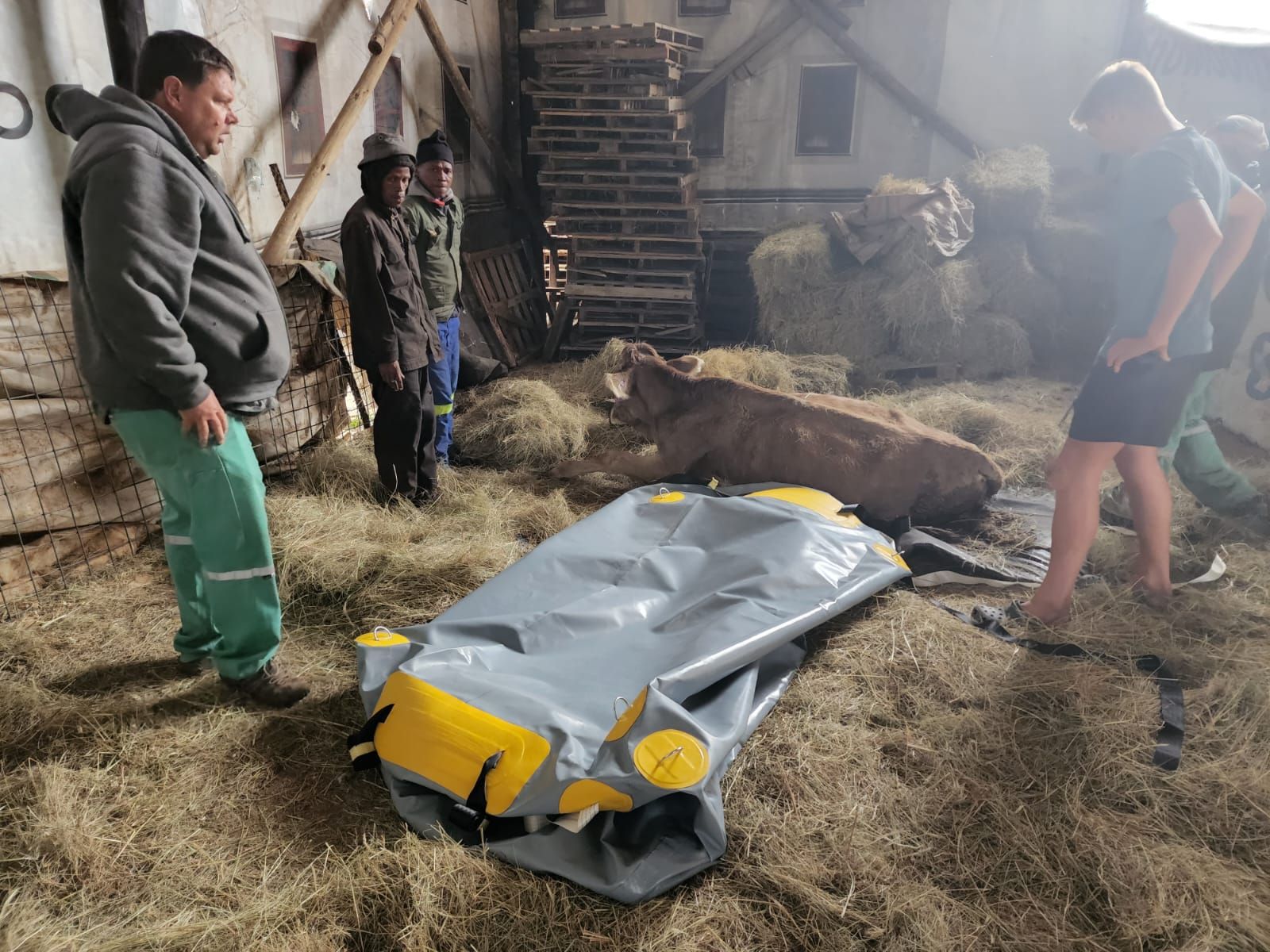
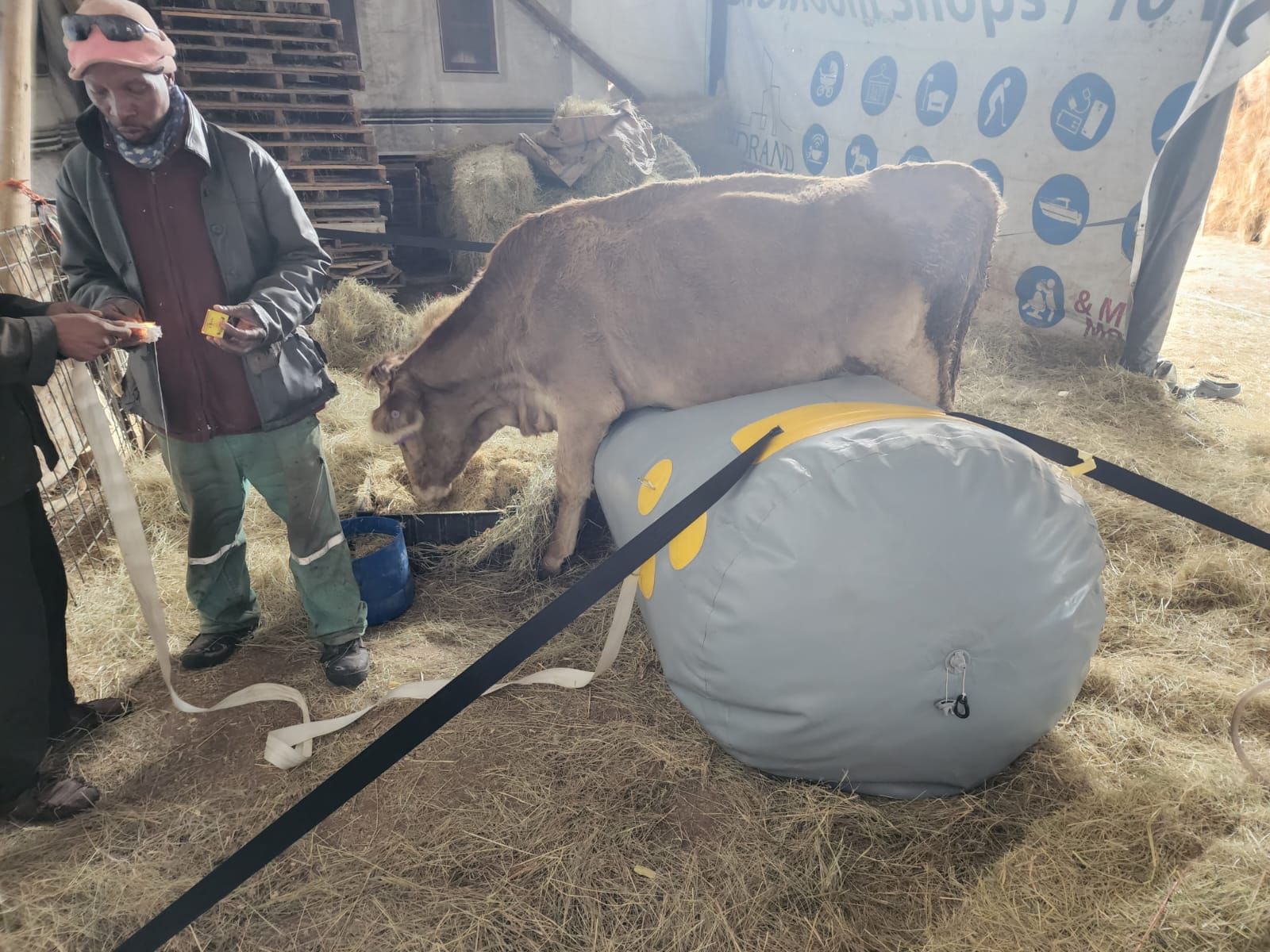
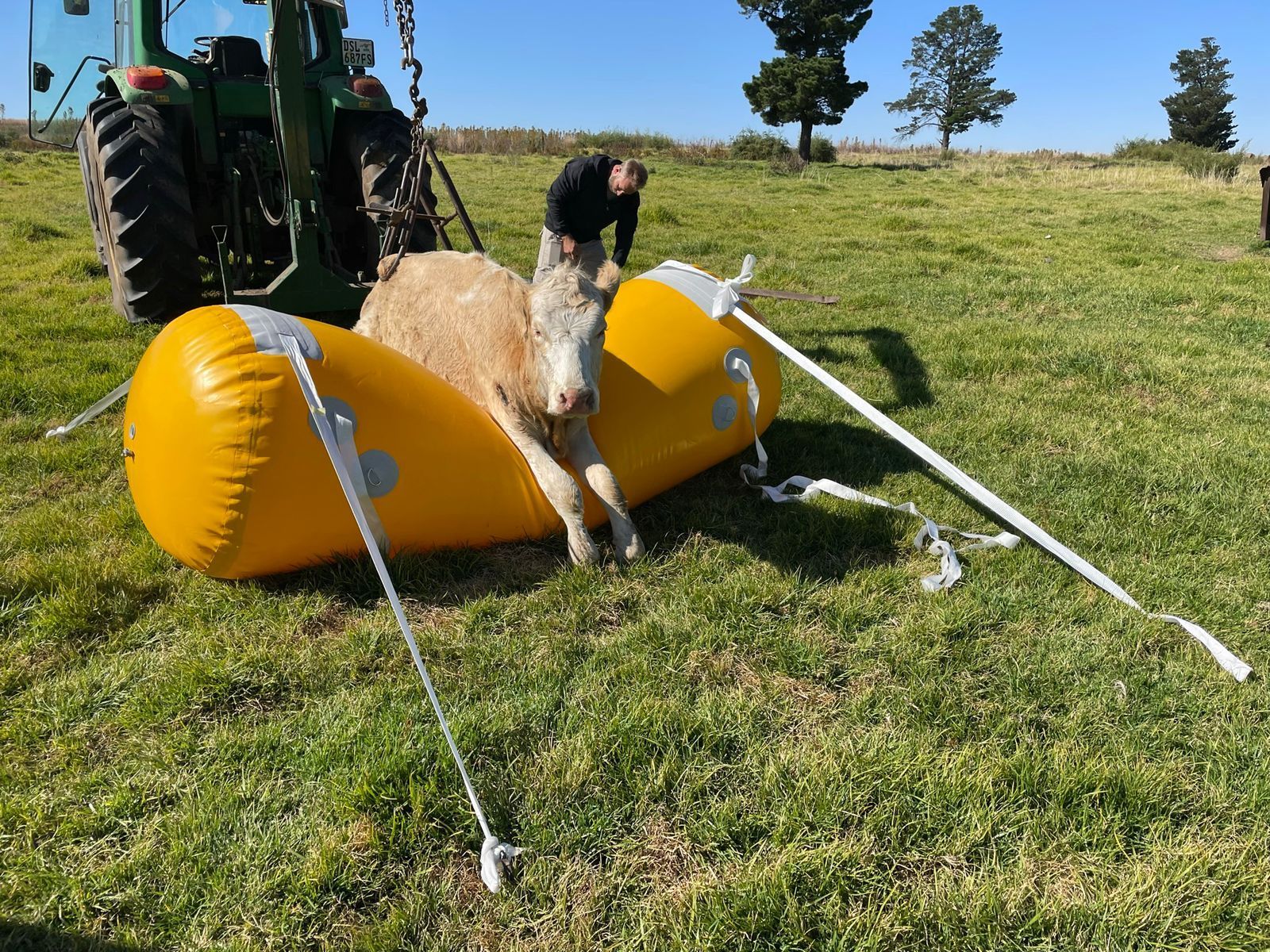
A device used to help lift and support downed or injured livestock that is unable to stand on its own. Used for rehabilitation, post-birthing recovery, or when treating injuries to help the animal regain strength and mobility. Cow Jack was designed to lift that "down" cow naturally with no stress on the animal.
- Sold with veterinarian instructions for correct deployment.
- Durable and mobile.
- Fully guaranteed for 5 years after date of guaranteed for 2 years after date of purchase against faulty workmanship.
- Cow Jack was designed to lift that "down" cow in a natural way with no stress on the animal. No injuries can occur during this process.
- Cow Jack is farmer-friendly, easy to operated, easy to transport and handle and not labour intensive.
- Inexpensive: Cow Jack is manufactured out of the best and very durable material, which means no or very low maintenance cost. Cow Jack will last for years if looked after and used in normal conditions. With the cost of animals today, Cow Jack is a very small investment, but the best one a farmer can make today.
- Mobility: Difficult terrains present no problem, as Cow Jack is not dependent on any power supply. When electricity is available, a compressor can be used to inflate Cow Jack but take care not to over-inflate.
- Guarantee: All components of Cow Jack carry 2 years guarantee under normal use. If properly cared for, Cow Jack should give you years of service. Cow Jack is quality manufactured by Inflatable Innovations (Pty) Ltd.
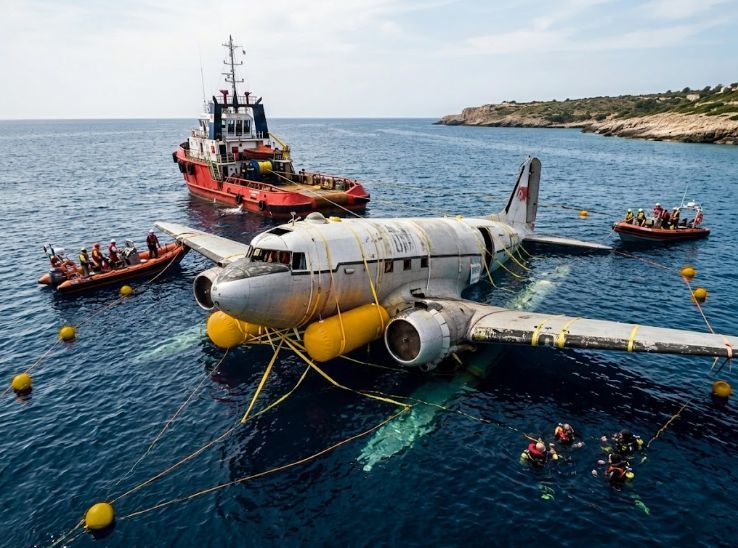
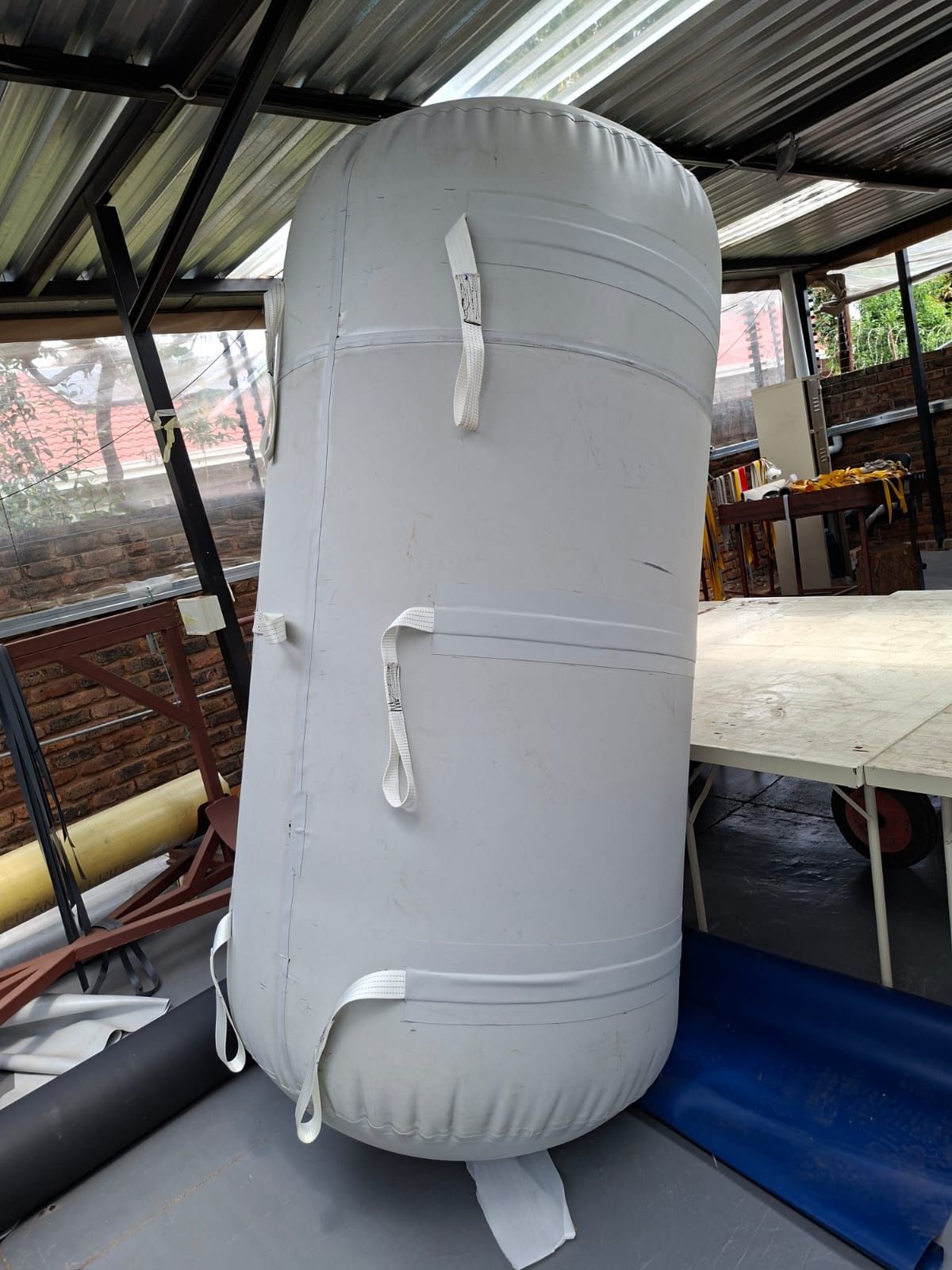
marine salvage lifting bags
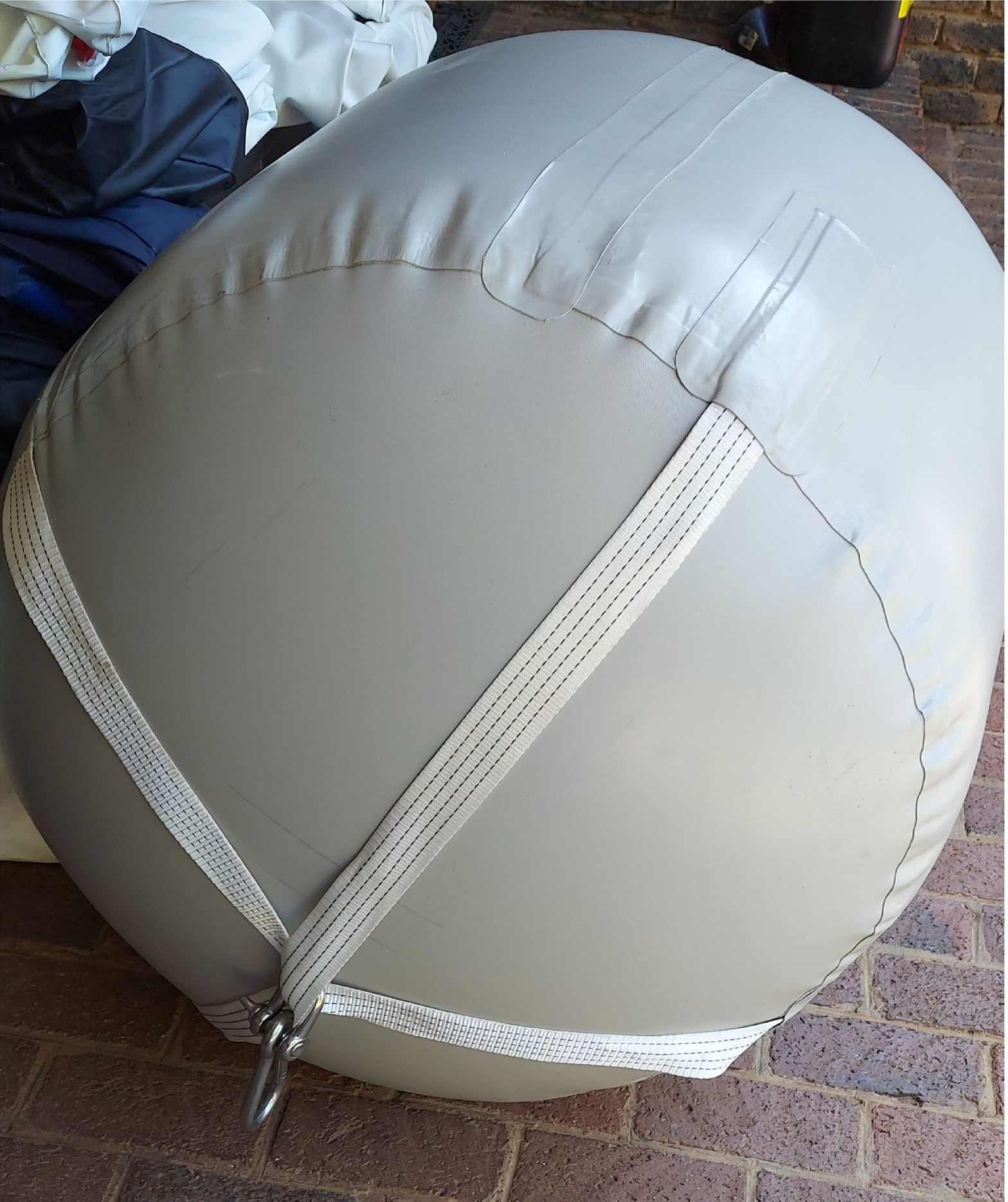
Marine salvage lifting bags designed for shallow water without built-in dump valves are essentially fully enclosed bags that rely on basic physics and manual control to manage buoyancy. They lift heavy underwater objects by replacing water with compressed air, but without automatic dump valves, controlling their ascent requires specific operational techniques.
How they work
Displacement and Buoyancy:
You secure the empty bag to the underwater object. You then inject compressed air (usually from a scuba cylinder or surface compressor) into the bag. As air fills the bag, it displaces the water inside. Because air is much less dense than water, it creates positive buoyancy, lifting the object.
Safe Operating Practices
Because there is no automatic valve to dump air if the lift goes too fast, divers use specific tactics to maintain control:
Incrimental Inflation:
Air is added in short, controlled bursts. Divers wait to see how the load reacts before adding more.
Tethering:
The load is often secured with a tagline or tether to a boat or anchor point on the seafloor. This prevents the bag from shooting to the surface uncontrollably once it breaks suction with the bottom.
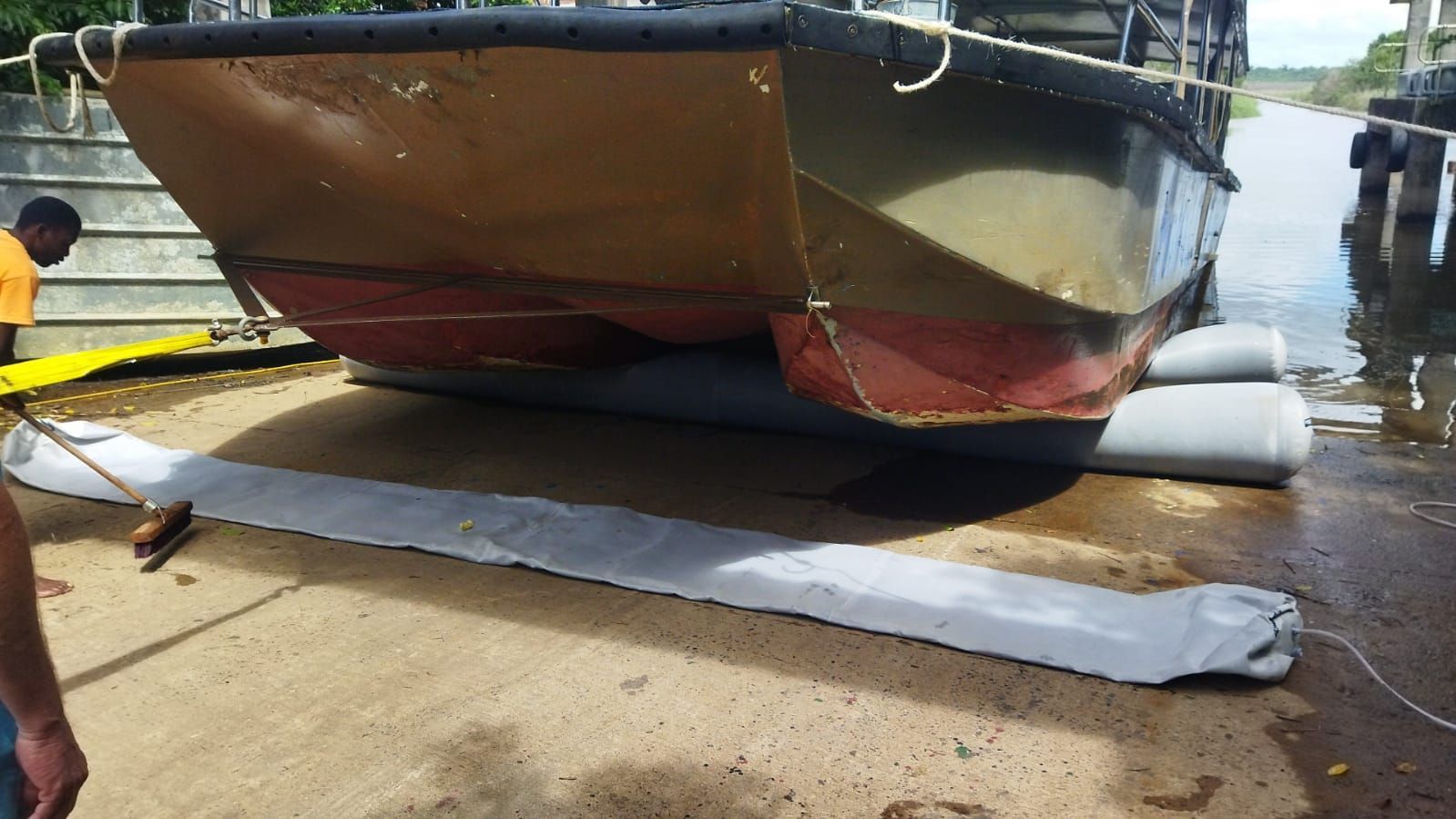
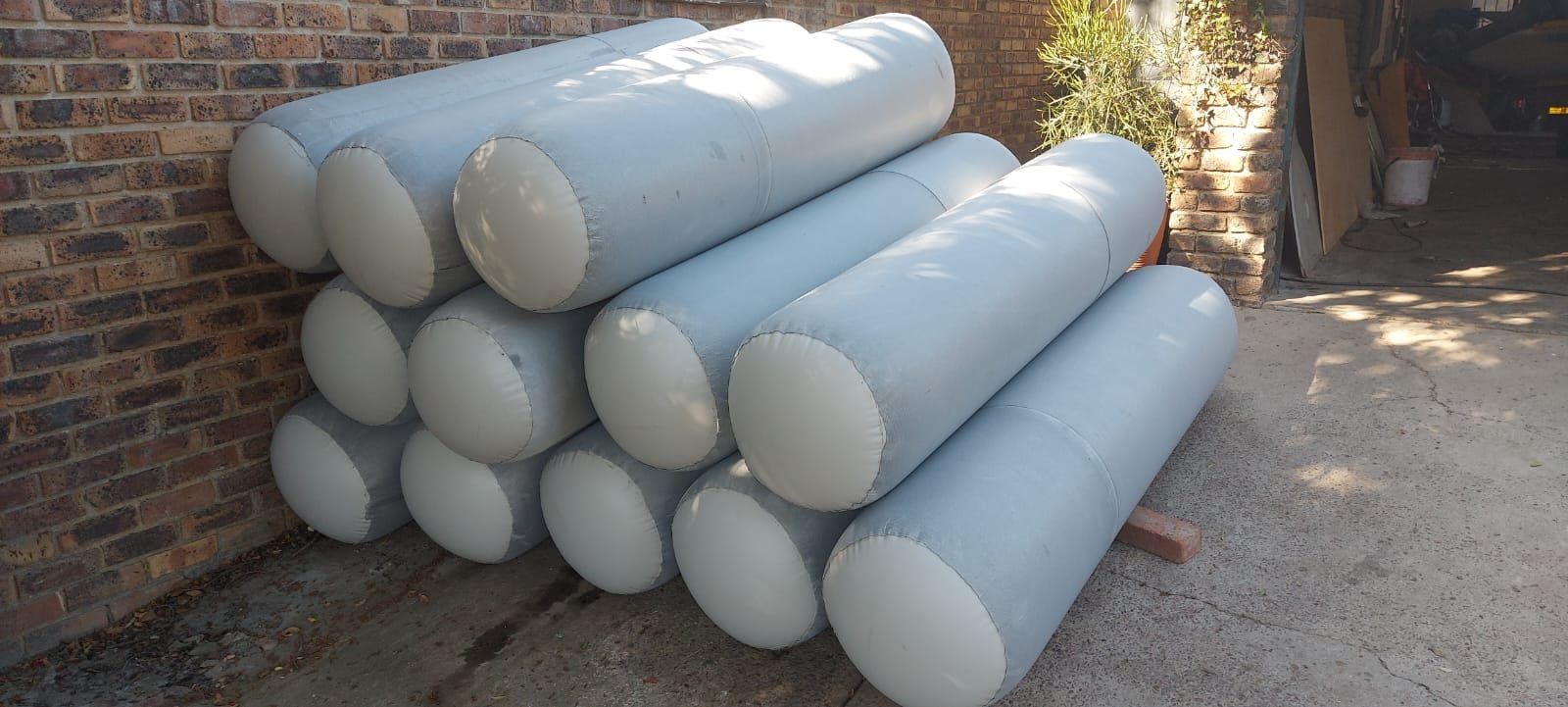
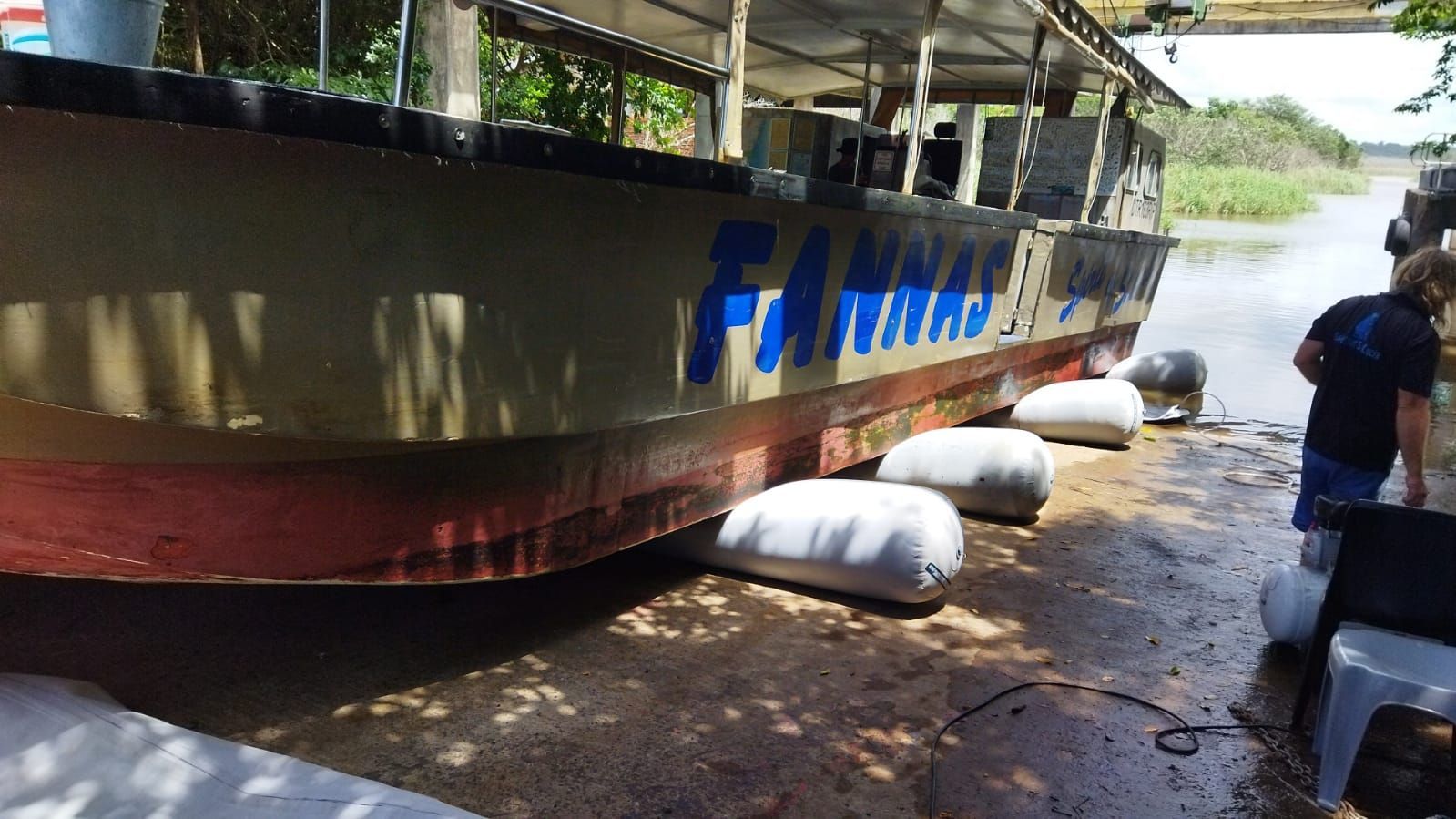
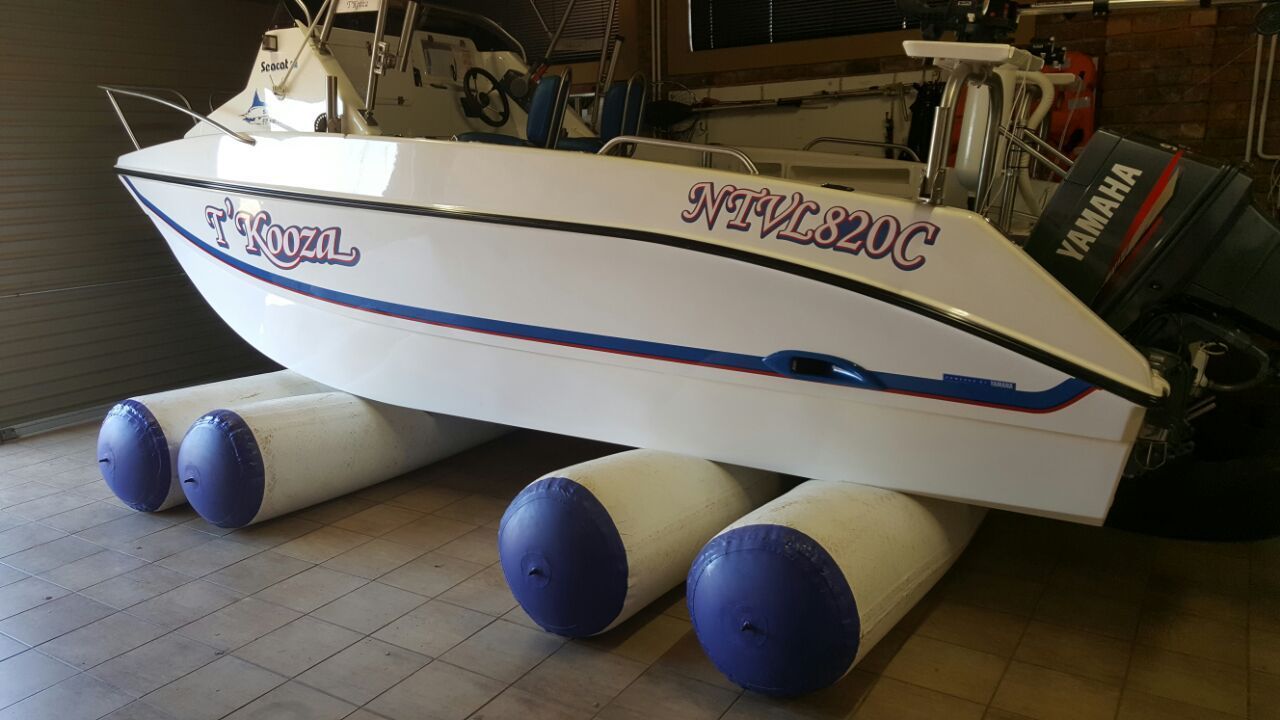
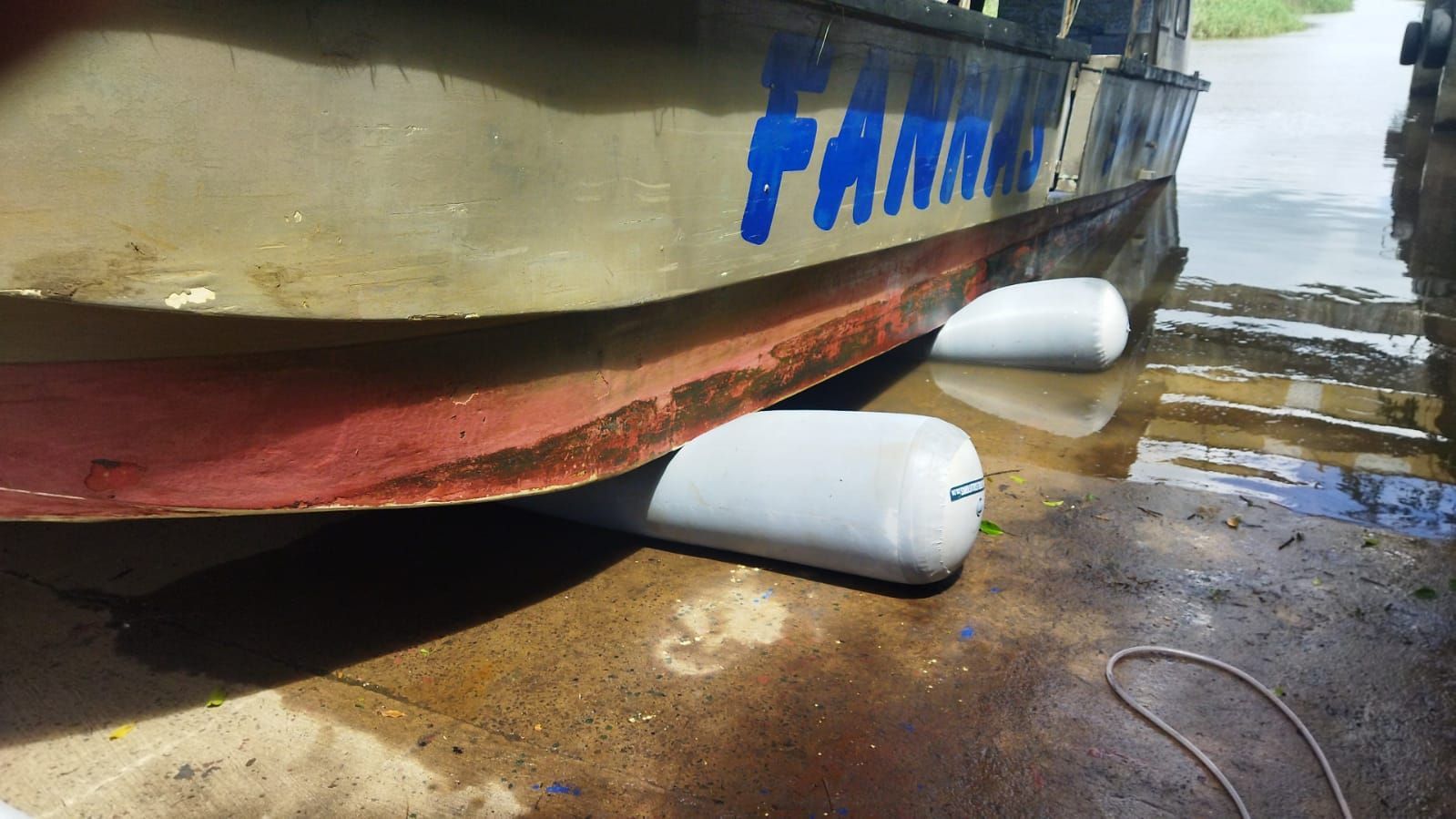
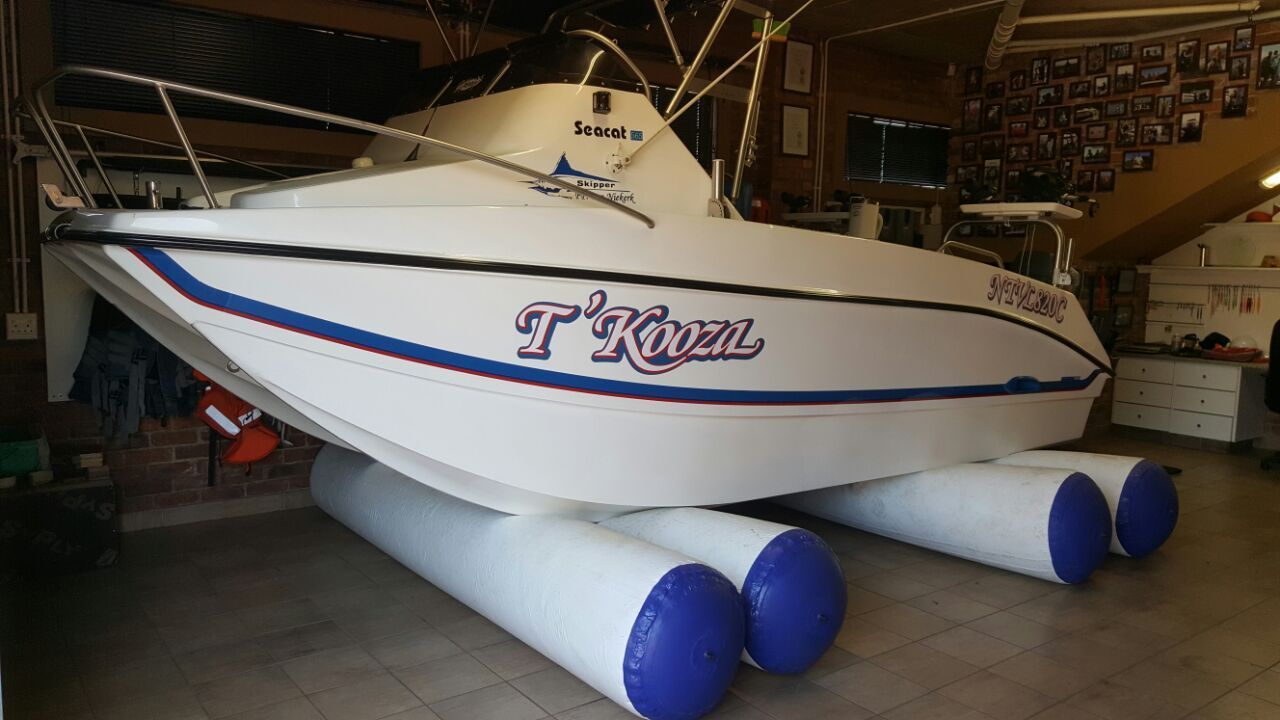
inflatable rollers to move equipment
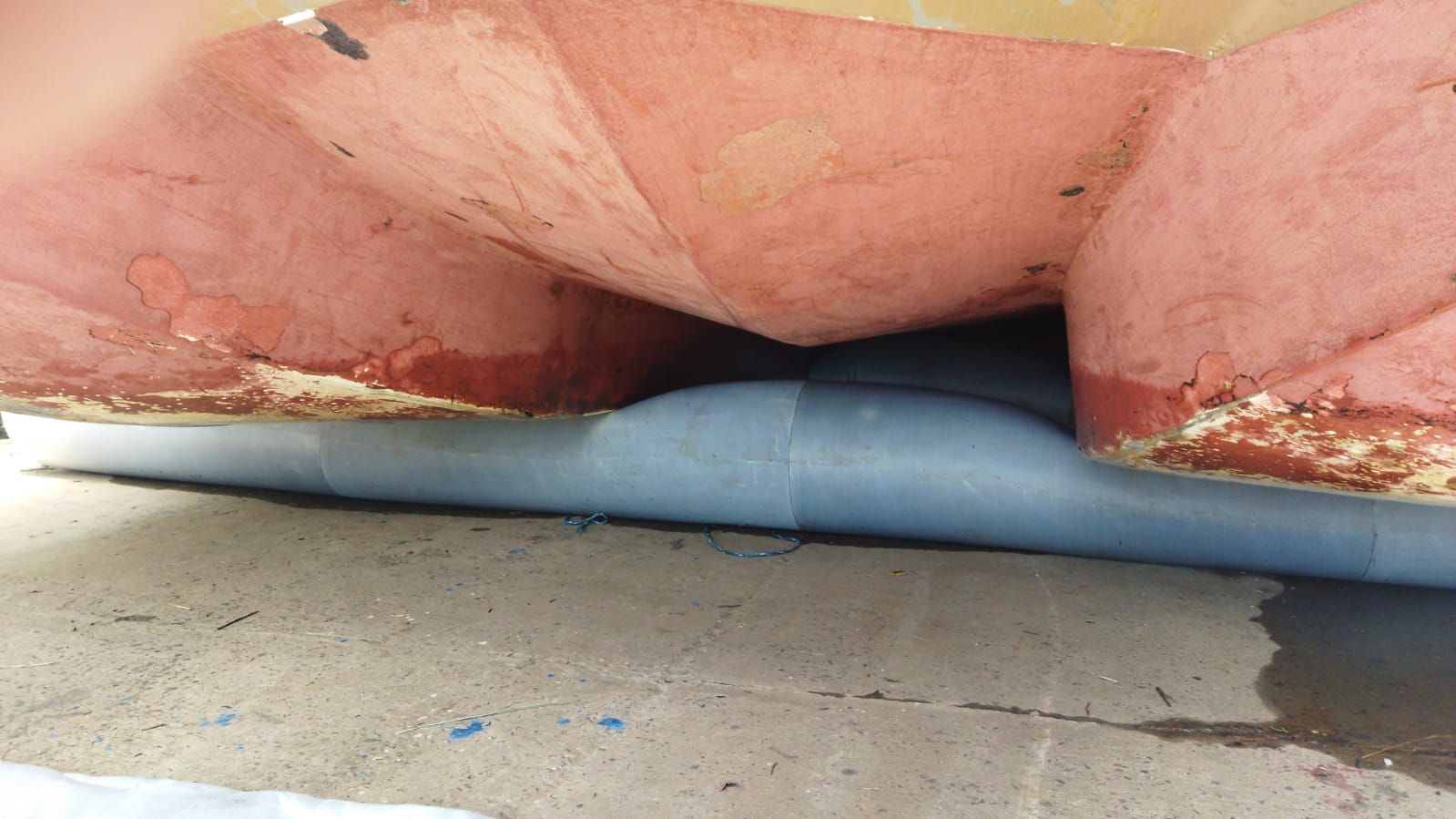
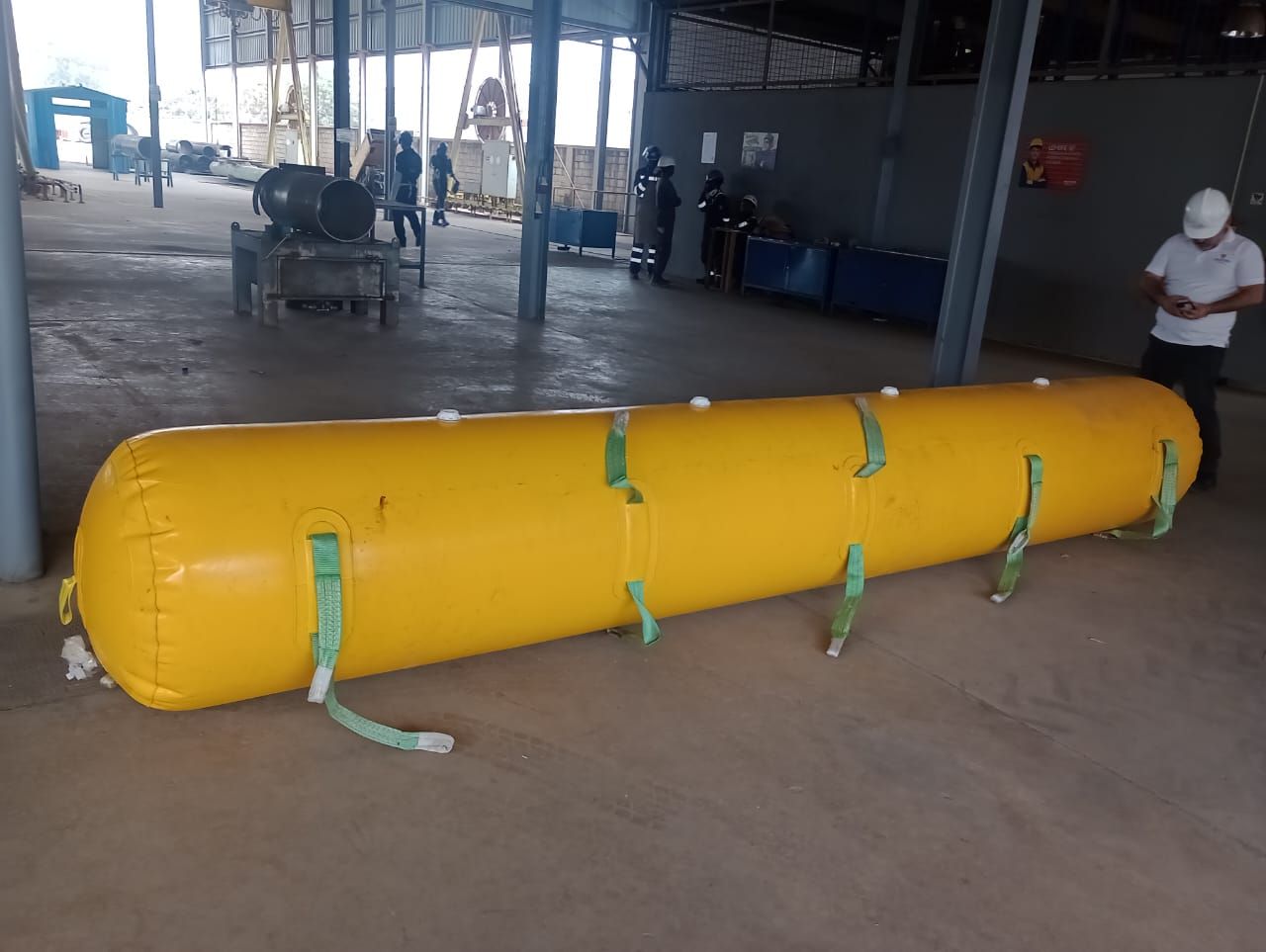
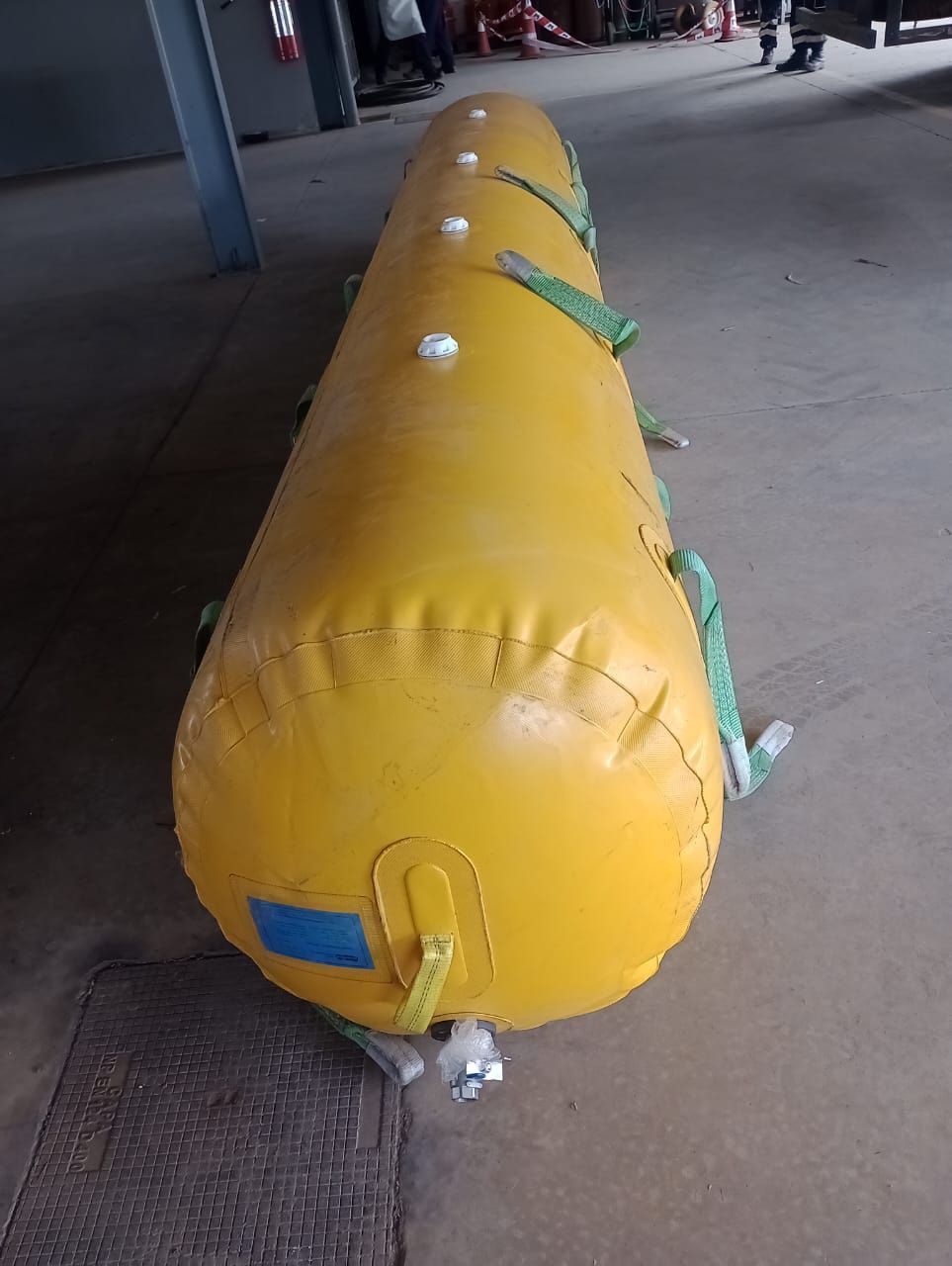
Inflatable rollers move heavy machinery by distributing weight across a large surface area and reducing friction against the ground. They act as heavy-duty, flexible cylinders that roll under a load, allowing workers to push or pull massive equipment with minimal effort.
Process
1. Preparation and Lifting
- Lifting the machine: Hydraulic jacks lift the heavy machinery slightly off the ground.
- Clearing the path: Workers sweep the path to remove sharp debris that could puncture the rollers.
- Positioning the rollers: Uninflated or partially deflated rollers are placed underneath the load.
2. Inflation and Load Distribution
- Pumping air: Air compressors inflate the rollers to their operational pressure.
- Weight spreading: As they inflate, they lift the machine and spread its weight over a wide footprint.
- Ground protection: The flexible structure prevents concentrated point-loads, protecting fragile factory floors.
3. Rolling and Movement
- Applying force: Workers use winches, forklifts, or manual tugs to push or pull the machinery.
- Overcoming obstacles: The soft, inflated material deforms slightly to roll smoothly over cracks, bumps, or uneven ground.
- Continuous cycling: As the machine moves forward, rollers escaping from the back are deflated, brought to the front, and re-inserted.
4. Steering and Control
- Angling the rollers: Operators angle the rollers slightly to guide the machine around corners.
- Braking mechanisms: Chocks or tethered winches control the speed and prevent the load from rolling away.
Inflatable Innovations offers a customized and bespoke pontoon for Inflatable Rollers
We use heavy duty German inflatable boat fabric to manufacture the rollers
All seams are either hot-air thermo-welded or Radio Frequency electrically welded
The rollers are cladded in a thick layer of industrial PVC
Rollers are crated and will be delivered to any physical address in Gauteng – South Africa